
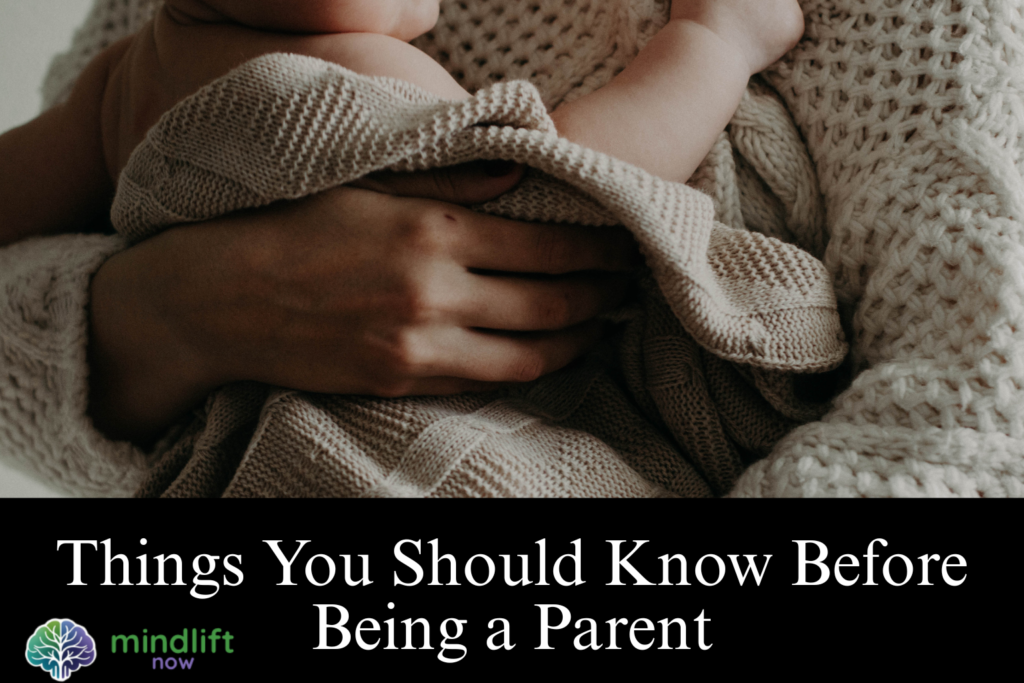
The nights were long, the sleep was shattered, and her heart carried a heaviness she couldn’t name. She whispered to herself: “I’m exhausted, irritated, overwhelmed”, but when she enquired about it, no one talked about postpartum depression. Instead, she was told it’s just “new mom fatigue”.
Here’s the truth: postpartum depression isn’t just about hormones or exhaustion. It’s the body’s way of crying out for rest, love, and understanding. It’s a reminder that healing isn’t only physical, it’s emotional, spiritual, and deeply human. In this article, we’ll explore:
- What postpartum depression (PPD) really means
- How it differs from baby blues or simple fatigue
- The signs you shouldn’t ignore
- Why emotional care and community support matter most
- How natural healing starts with awareness and compassion
Let’s begin with a story. Because awareness doesn’t start with data, it often starts with recognizing ourselves in someone else’s journey. The more you understand it, the more you can replace guilt with grace, for yourself and for every mother finding her way.
A Real Story of Postpartum Depression
She had just given birth and was staying with her in-laws. Her mother-in-law helped her during the day, but at night, she didn’t want to disturb anyone’s sleep. She woke every two hours to nurse, change diapers, and rock her baby back to calmness.

After three nights without real sleep, she began to feel herself unravel. Every sound irritated her. Every small thing felt heavy. By the fourth night, something darker crept in, thoughts she couldn’t recognize as her own. She thought of harming herself… and then her baby.
But instead of hiding, she spoke up. She told her husband, her family. And that conversation, that brave moment of awareness, changed everything.
She had a medical background, yet even she forgot that postpartum depression is real. What saved her was recognition and support.
Awareness saved two lives that night.
Note: This is a true story shared with the permission of the mother.
What is Postpartum Depression?
Postpartum depression is more than tiredness or sadness, it’s an emotional and psychological imbalance that affects how a new parent feels, thinks, and connects. Studies estimate that 1 in 8 mothers experience some form of PPD, but the real number may be higher because many suffer in silence.
The truth? It’s not rare. And it’s not your fault.
PPD isn’t a flaw in your strength, it’s a reflection of how little rest, care, and emotional space mothers are given to heal after giving life.
How is PPD Different From Baby Blues, Loneliness, or Boredom?
It’s easy to confuse postpartum depression with normal mood changes after birth. Here’s how they differ:
- Baby Blues: Usually appear 3–5 days after birth, lasting up to two weeks. You might feel tearful or moody, but it passes as your hormones settle.
- Postpartum Depression: Lasts longer and feels heavier. There’s a loss of joy, deep fatigue, and sometimes frightening thoughts.
- Loneliness or Boredom: These can feed sadness but usually improve with rest, connection, and fresh air. PPD, on the other hand, makes it hard to feel connection, even when surrounded by love.
If your sadness doesn’t lift after two weeks, or you feel detached from your baby or yourself, it’s time to talk about it.
Common Symptoms of Postpartum Depression
PPD can show in emotions, thoughts, body, and behaviour. Common signs include:
- Persistent sadness, tearfulness, or feeling empty
- Loss of interest or joy in things you used to enjoy (anhedonia)
- Intense irritability or anger
- Trouble concentrating, remembering, or making decisions
- Fatigue or slowed movement beyond normal new-baby tiredness
- Sleep or appetite changes, too much or too little.
- Difficulty bonding with the baby or feeling disconnected
- Thoughts of harming yourself or the baby (this is a medical emergency)
Note: If thoughts of harming yourself or your baby ever arise, please reach out for help immediately. It’s not your fault, and help can bring you back safely.
When Can PPD Start and How Long Can it Last?
PPD most often starts in the weeks to months after birth, but it can begin during pregnancy or up to a year postpartum. Some people develop symptoms quickly in the first weeks; others notice them later. Recent surveillance shows a meaningful portion of people have depressive symptoms many months after birth.
The good news? With awareness, rest, and the right support system, most mothers heal fully. The earlier we notice it, the easier it is to recover naturally. Screening and check-ins across the first year are recommended.
What Causes Postpartum Depression
PPD doesn’t come from nowhere, it often grows from emotional, physical, and social exhaustion. Some contributing factors include:
- Hormonal shifts after birth (estrogen/progesterone changes)
- Genetics and family history of depression
- Lack of rest and physical recovery after childbirth
- Stressful life events (loss, financial strain, relationship tension)
- Lack of social support or practical help
- Past mental health conditions (prior depression or anxiety)
- Medical problems or complications after birth
- Unrealistic expectations about motherhood
Risk factors help clinicians identify who may need extra support, but anyone can get PPD, even those without obvious risks.
Types and Related Conditions
Perinatal depression:
Umbrella term including depression during pregnancy and up to one year postpartum.
Postpartum anxiety:
Intense worry, often about the baby’s health or safety; commonly co-occurs with depressive symptoms.
Postpartum psychosis (rare, urgent):
Sudden severe confusion, hallucinations, or thoughts of harming self or baby. It requires emergency care and often hospitalization. If someone shows signs, get immediate help.
How is Postpartum Depression Screened and Diagnosed?
Healthcare providers use screening questions and validated tools (like the EPDS or Patient Health Questionnaire) during pregnancy and postpartum visits. Professional evaluation looks at symptom type, duration, severity, medication and medical history, and sleep and safety. ACOG and many national bodies recommend routine screening during pregnancy and the postpartum period.
The Mind-Body Connection in Healing
Our minds are powerful. When the body is deprived of rest, the mind loses its calm. When emotions are unacknowledged, the body stores the pain.

Healing from PPD isn’t only about “treatment.” It’s about allowing the body to rest, letting emotions breathe, and receiving care without guilt.
For many women, the real healing starts when someone finally says:
“You’re not weak. You just need time to heal, like any wound.”
That understanding alone can shift a woman from despair to recovery.
Steps Towards Healing
Postpartum depression is treatable. Care plans are individualized and often combine approaches:
Rest and Nourishment:
The body just created a human, rest isn’t a luxury, it’s a need. Accept help. Sleep when you can. Eat slow, nourishing meals. Ask for help or childcare whenever you need.
Gentle Movement:
A short walk, breathing exercise, or stretch can help release tension and regulate mood.
Speak, Don’t Suppress:
Share what you feel. Whether it’s your spouse, friend, or fellow mom, talking releases pressure. Silence breeds shame, conversation heals it.
Therapy (talk therapy)
Cognitive Behavioral Therapy (CBT) and Interpersonal Therapy (IPT) are effective options. Counselling helps change unhelpful thought patterns and rebuild routines.
Medication
Antidepressants (SSRIs, SNRIs) can be used safely in many breastfeeding parents after a careful discussion with the prescriber. Newer, targeted medications for PPD (like zuranolone) have been developed and may offer quicker improvement for some; discuss benefits and risks with a clinician.
Peer support & groups
Connecting with other parents or local support groups reduces isolation and normalizes the experience.
Safety planning
If there are thoughts of harming yourself or your baby, immediate action is required, call emergency services, your provider, or a crisis line.
How Can Family and Partners Help?
Partners and family play a major role in recovery. Here’s what truly helps:
- Believe and listen without judgment.
- Encouragement matters more than quick fixes.
- Help with small practical tasks, sleep is a powerful healer.
- Offer to call the healthcare provider together or attend visits.
- Watch for warning signs of worsening mood, hopelessness, or dangerous thoughts, and act quickly if you see them.

The story at the top shows three vital lessons: recognition, speaking up, and getting help. Intrusive thoughts (like thoughts of harm) can be terrifying but are not a moral failure, they are a symptom. Speaking about them saved this family from escalation. If you ever have thoughts that frighten you, tell someone you trust and contact your provider immediately.
Practical Steps If You Suspect PPD
- Talk to your primary care provider, OB-GYN, or pediatrician, don’t wait.
- Ask for a screening (EPDS or similar).
- Reach out to trusted family or friends for immediate help with baby care.
- If you feel you might hurt yourself or your baby, call emergency services now.
Final Thoughts
Postpartum depression isn’t a sign of weakness, it’s a sign that you’ve been strong for too long without enough rest, support, or care.
If there’s one message to take away, let it be this: you are not alone, and what you’re feeling is not your fault. The sleepless nights, the guilt, the quiet tears, they don’t make you a bad mother; they make you human.
Postpartum depression can cloud your brightest days and make the smallest tasks feel impossible, but with timely help, therapy, medical support, community, or even one honest conversation, recovery is not just possible, it’s likely.
And if you’re reading this as a loved one, be the safe space. Sometimes, all it takes is someone saying, “You don’t seem okay, and that’s okay. Let’s get help.”
Motherhood is not meant to be survived, it’s meant to be lived. Awareness is the first step. Support is the second. Healing, the journey that follows.
So if this piece resonated with you, share it forward. Because every shared story helps another mother realize, she doesn’t have to walk through the dark alone.
At Mindlift Now, we believe that every mind deserves light and every mother deserves to rise again.
FAQ about Postpartum Depression
Here are some of the most common questions new parents ask about PPD:
Baby blues are short (days–2 weeks) and mild. PPD lasts longer, is more intense, and interferes with daily life.
Yes, perinatal mood disorders can affect anyone involved in a birth; partners may also experience depression and anxiety.
No. Hormones play a role, but genetics, sleep loss, stress, past mental health, and social support all interact.
Many antidepressants are considered safe in breastfeeding when chosen carefully with a provider. Discuss options with your doctor.
In many cases, yes. Rest, support, nourishment, and mindfulness can bring recovery. Severe cases may still need professional guidance
Start with honesty. Talk to someone you trust. Ask for help. You don’t have to face it alone, awareness is the first step toward peace.
Reference:
https://www.nimh.nih.gov/health/publications/perinatal-depression
https://www.cdc.gov/reproductive-health/depression/index.html

